Artificial intelligence has moved beyond experimentation. It is now becoming a key driver of business transformation across industries, helping companies improve operations, personalise customer experiences, optimise marketing, and accelerate innovation.
For the fashion industry, AI is creating new opportunities across the entire value chain, from product discovery and virtual shopping experiences to content creation, demand forecasting, and sustainable production.
Spain is entering a critical phase of AI adoption. According to research from the Banco de España, almost 20% of surveyed Spanish companies were already using AI systems, with adoption particularly strong among larger, younger, and more productive businesses. The main applications identified were process optimisation and marketing, showing that AI is becoming a practical tool for improving efficiency and customer engagement.
As we approach 2027, the competitive advantage will not come from simply adopting AI tools. It will come from integrating AI strategically into business models, customer journeys, and creative processes.
For Spanish fashion businesses, this represents a major opportunity. Brands that invest in AI-powered customer experiences, personalised marketing, intelligent merchandising, and efficient creative workflows today will be better positioned to meet changing consumer expectations and outperform competitors.
At AIUTA, we believe these are the five biggest AI trends Spanish fashion businesses should act on before 2027.
1. AI-Powered Customer Experiences Will Become the New Standard
Modern consumers expect fashion brands to deliver experiences that are personalised, fast, and relevant. Traditional ecommerce experiences based on static product pages and generic recommendations are being replaced by intelligent systems that understand customer preferences.
AI enables fashion businesses to create more personalised shopping journeys through:
- AI recommendation engines
- Conversational shopping assistants
- Predictive customer insights
- Personalised product discovery
- Adaptive ecommerce experiences
These technologies help brands deliver the right products to the right customers at the right moment.
Spanish fashion leaders are already investing in AI-driven customer experiences. Zara, part of Inditex, has explored AI-powered shopping innovations designed to improve product discovery and customer interaction. Mango has expanded its use of machine learning across personalisation, pricing, recommendations, and customer engagement.
This reflects a wider industry shift: fashion is moving from transactional ecommerce towards intelligent shopping experiences.
The brands that act now will not simply sell products. They will create personalised digital experiences that increase customer loyalty, improve engagement, and strengthen competitive advantage.
2. Virtual Try-On Will Transform Fashion Commerce
One of the biggest challenges in online fashion has always been the inability for customers to physically try products before purchasing.
This uncertainty affects:
- Customer confidence
- Conversion rates
- Return rates
- Overall shopping satisfaction
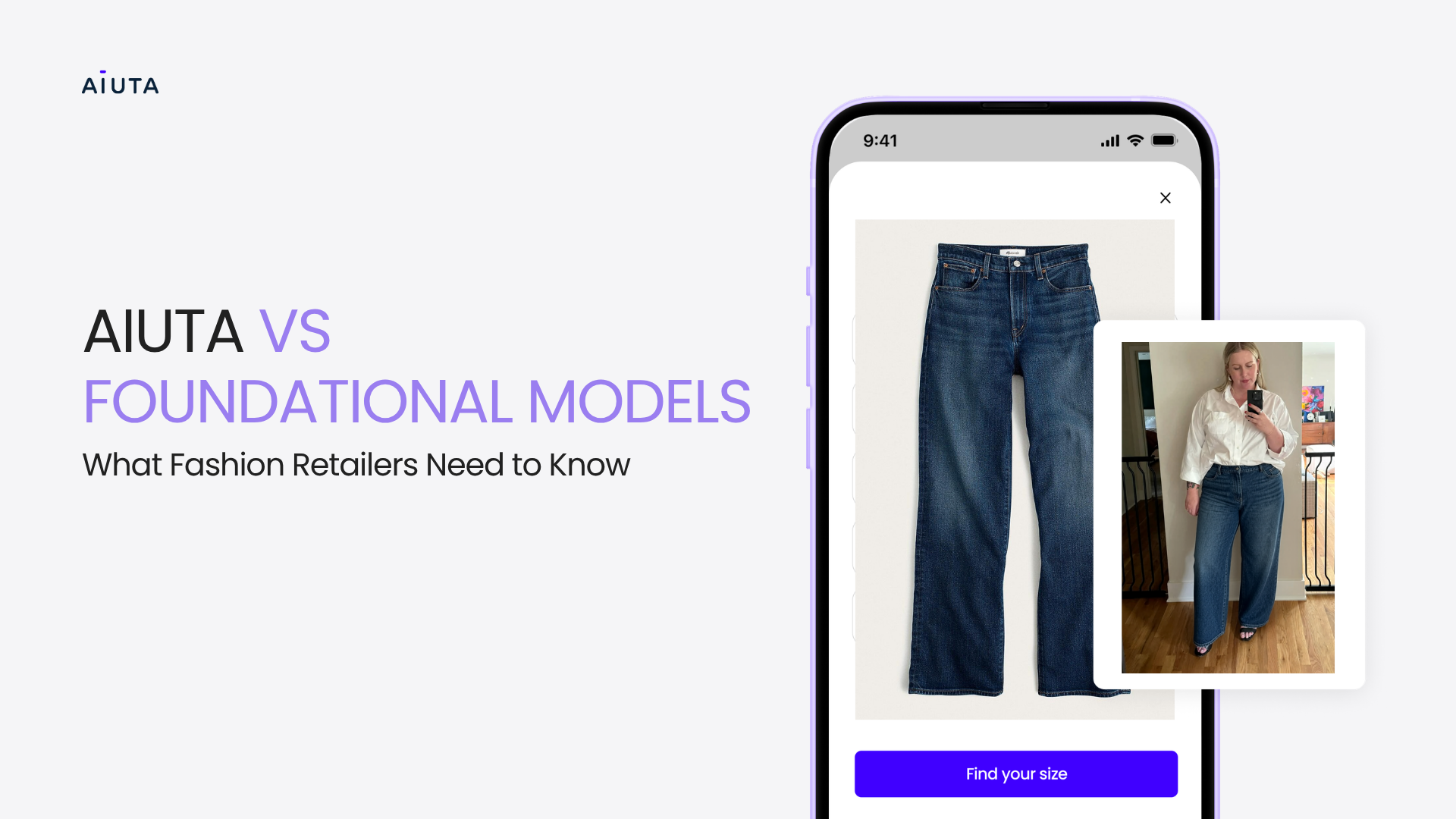
AI-powered virtual try-on technology is changing this experience by allowing customers to visualise clothing on themselves before making purchasing decisions.
Instead of only viewing product images, shoppers can better understand how garments fit their personal style and appearance.
The next evolution is multi-item virtual try-on, where customers can create complete looks by combining:
- Clothing
- Shoes
- Accessories
- Styling combinations
This transforms online shopping from simple product browsing into an interactive and personalised experience.
Spanish fashion brands are already exploring this opportunity. Zara has introduced AI-powered virtual fitting experiences that allow customers to visualise garments through personalised avatars.
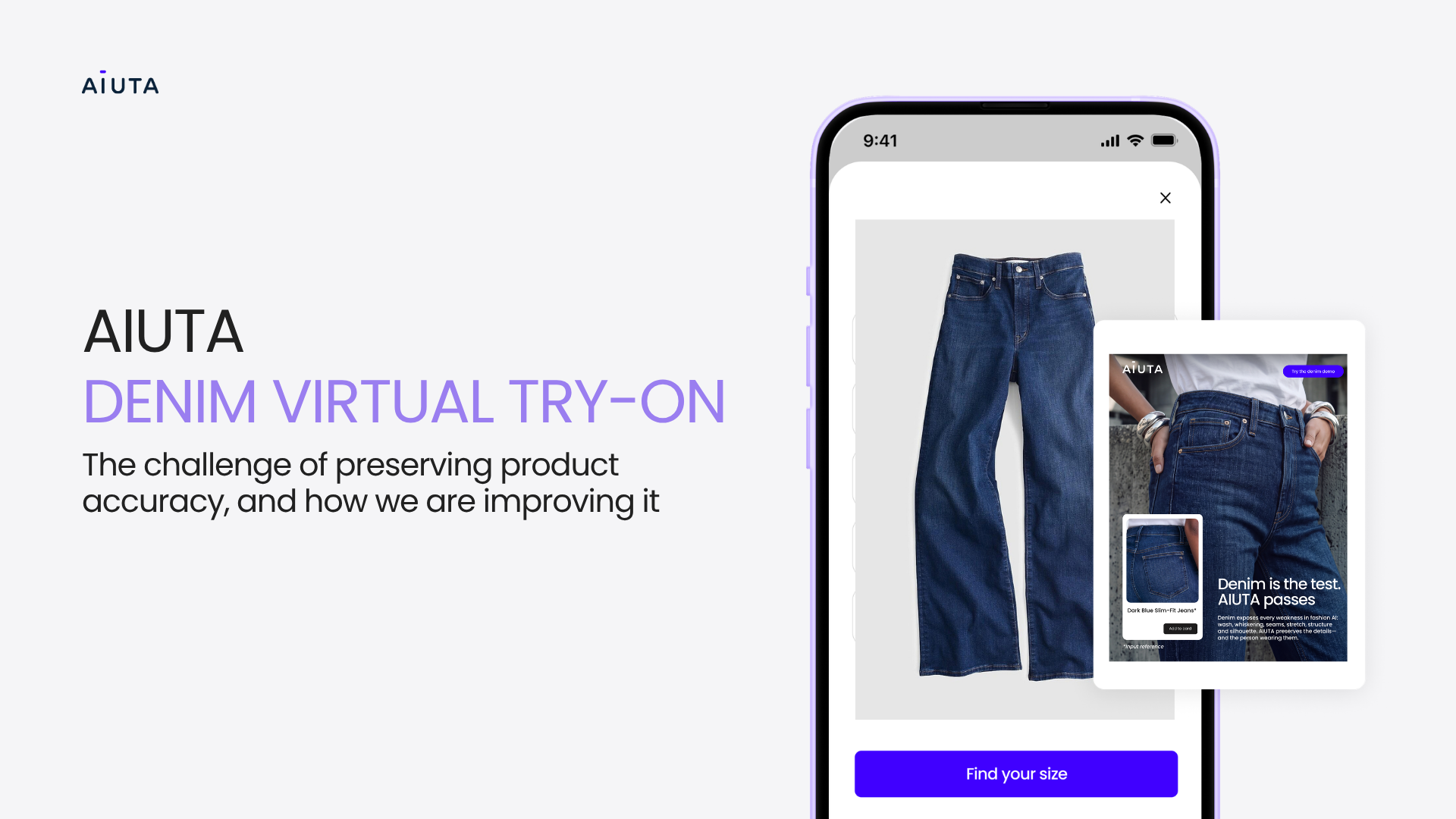
At AIUTA, we are helping shape this future through solutions such as Virtual Try On Multi Item, enabling brands to create immersive shopping experiences where customers actively participate in the buying journey.
For Spanish fashion businesses, virtual try-on is no longer an experimental technology. It is becoming a strategic tool for increasing confidence, engagement, and customer satisfaction.
3. AI Content Creation Will Redefine Fashion Marketing
Fashion brands are under increasing pressure to produce more content than ever before.
Today’s brands need:
- Product images
- Social media content
- Campaign visuals
- Personalised marketing assets
- Video content
Traditional content production requires significant investment in photography, locations, creative teams, and production time.
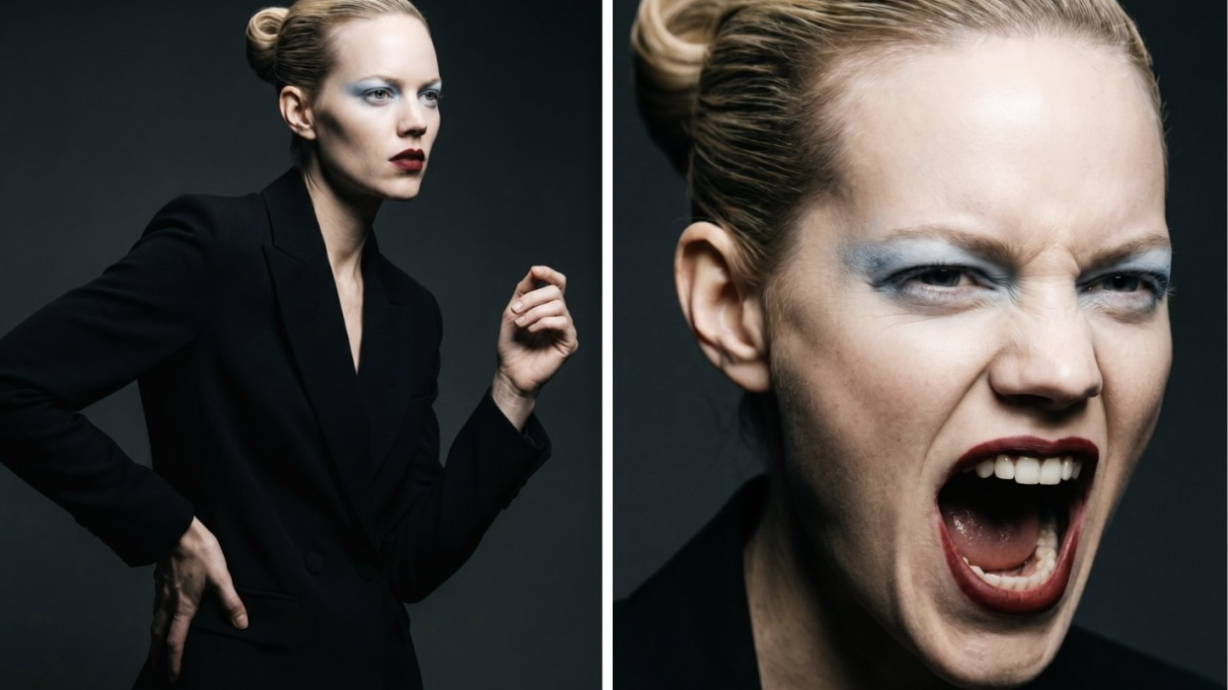
AI is transforming this process by enabling fashion businesses to create high-quality content faster and at greater scale.
Generative AI allows brands to develop:
- Product visuals
- Campaign concepts
- Digital fashion assets
- Social media creatives
- Personalised customer communications
Spanish fashion companies are already exploring these opportunities. Mango became one of the first fashion retailers to launch a campaign created using generative AI for its Mango Teen collection while expanding machine learning applications across design, pricing, and creative workflows.
The future of fashion marketing will not replace creativity, it will enhance it.
At AIUTA, our AI Content Creation Studio helps fashion businesses accelerate creative production, maintain brand consistency, and produce personalised content more efficiently.
Brands that combine AI technology with human creativity will be able to experiment faster, create better experiences, and build stronger customer connections.
4. AI Will Create More Intelligent and Sustainable Fashion Operations
AI is transforming not only customer experiences but also the way fashion businesses operate behind the scenes.
Fashion companies can use AI to improve:
- Demand forecasting
- Inventory management
- Supply chain efficiency
- Product development
- Production planning
These capabilities allow brands to make faster decisions while reducing waste and improving profitability.
Spanish fashion companies are already exploring AI-driven operational improvements. Desigual has introduced an AI-supported on-demand collection approach, exploring how technology can help align production with consumer demand while reducing unnecessary inventory.
Mango is also expanding the use of AI and machine learning to improve forecasting, inventory planning, and operational efficiency.
One of AI’s biggest opportunities in fashion is sustainability.
Better prediction and planning can help brands:
- Reduce overproduction
- Minimise waste
- Improve resource allocation
- Create more efficient supply chains
As consumers demand greater transparency and environmental responsibility, AI will become an essential tool for building more sustainable fashion businesses.
5. AI Adoption Will Separate Fashion Leaders From Followers
The biggest AI trend is not one specific technology.
It is the ability to integrate AI strategically across the entire business.
Many companies are experimenting with AI tools, but the next stage of competition will depend on how effectively businesses embed AI into their long-term strategies.
For Spanish fashion companies, successful AI adoption will depend on three foundations:
1. High-quality data
AI requires accurate and organised information to generate valuable insights.
2. Employee skills
Teams need the knowledge and confidence to work effectively with AI technologies.
3. Clear business objectives
AI investments must solve real business challenges and create measurable value.
Companies such as Inditex, Mango, and Desigual demonstrate how AI is becoming a strategic capability across customer experience, creative production, operations, and decision-making.
The businesses that succeed will not simply use AI tools. They will build AI-powered organisations.
The Future of Fashion Belongs to Businesses Combining AI and Human Creativity
Artificial intelligence is not replacing creativity, design, or human connection.
It is enhancing them.
The fashion businesses that stand out in the coming years will be those that combine:
- Advanced AI technology
- Creative expertise
- Customer understanding
- Authentic brand experiences
The future consumer will expect more than products. They will expect personalised, interactive, and intelligent shopping experiences.
Through virtual try-on, AI-powered content creation, personalised recommendations, and smarter operations, fashion brands can create stronger relationships with customers and build more sustainable businesses.
At AIUTA, we believe the future of fashion will be shaped by intelligent experiences that connect technology with human creativity.
Our AI solutions help fashion brands adopt AI strategically — improving business performance while creating better customer experiences.
The question for Spanish fashion businesses is no longer whether they should adopt AI.
The question is:
How quickly can they integrate AI to create the next generation of fashion experiences before 2027?
Book a demo with AIUTA today and explore how AI can transform your fashion business before 2027.