People never really shopped in products.
They bought the jacket because of the trousers, the shoes because of the coat, and the dress because they could already picture the bag, the jewellery, the dinner, the trip, and the version of themselves that came with it.
Fashion has always been about the look. E-commerce was the part that forgot.
For years, online retail reduced fashion to individual SKUs: search bars, filters, product pages and endless grids of isolated items. That model was efficient for inventory management and operational scale, but it was far less effective at capturing the way people actually discover and buy fashion. The customer was expected to do the styling work.
Social media made that gap impossible to ignore. TikTok, Instagram and Pinterest did not teach people to think in outfits; they simply exposed how people were already thinking. A saved post is rarely about one product. It is about a complete visual idea: a silhouette, a colour palette, an aesthetic, a mood or a lifestyle.
That is the shift happening now. Not from product search to outfit search, but from product-led commerce to outfit-led commerce.
The Real Unit of Fashion Is the Outfit
Traditional e-commerce begins with an item. Modern fashion discovery often begins with a vision.
Consumers increasingly start with questions such as “What should I wear to a summer wedding?”, “How do I make business casual feel less corporate?” or “What would a travel wardrobe that still feels like me look like?”
The emotional connection happens before the product page ever loads.
A jacket on its own provides information. A complete look creates possibility.
And possibility is what drives purchase intent.
This is why the outfit, rather than the individual product, is becoming an increasingly important unit of fashion commerce.
Social Media Turned Styling Into the New Storefront
Creators are not influencing consumers by presenting products one by one. They are influencing them by presenting combinations: a silhouette, a colour story, a proportion and a way of moving through the world.
The most powerful fashion content is rarely “buy this.”
It is “wear it like this.”
That creates a challenge for traditional retail architecture. Most commerce platforms are still designed to understand products, while consumers are increasingly inspired by the relationships between products.
The gap is no longer simply technological.
It is conceptual.
AI Is Teaching Commerce to Think Like a Stylist
The next layer of fashion technology is not simply faster search.
It is better interpretation.
AI can now analyse visual preferences, body proportions, colour harmony, garment compatibility and occasion-based context. Instead of returning a list of similar items, it can begin constructing complete looks around the shopper’s needs.
The question changes from “What are you looking for?” to “What are you trying to become?”
That is a much more fashion-native question, because fashion has always been as much about identity as it is about inventory.
Why AIUTA Is Focused on Full Outfit Visualisation
Most virtual try-on experiences were built around single products. Fashion decisions are not.
Customers want to understand the outcome: how the jacket works with the trousers, whether the silhouette feels balanced, and whether the complete look feels like them.
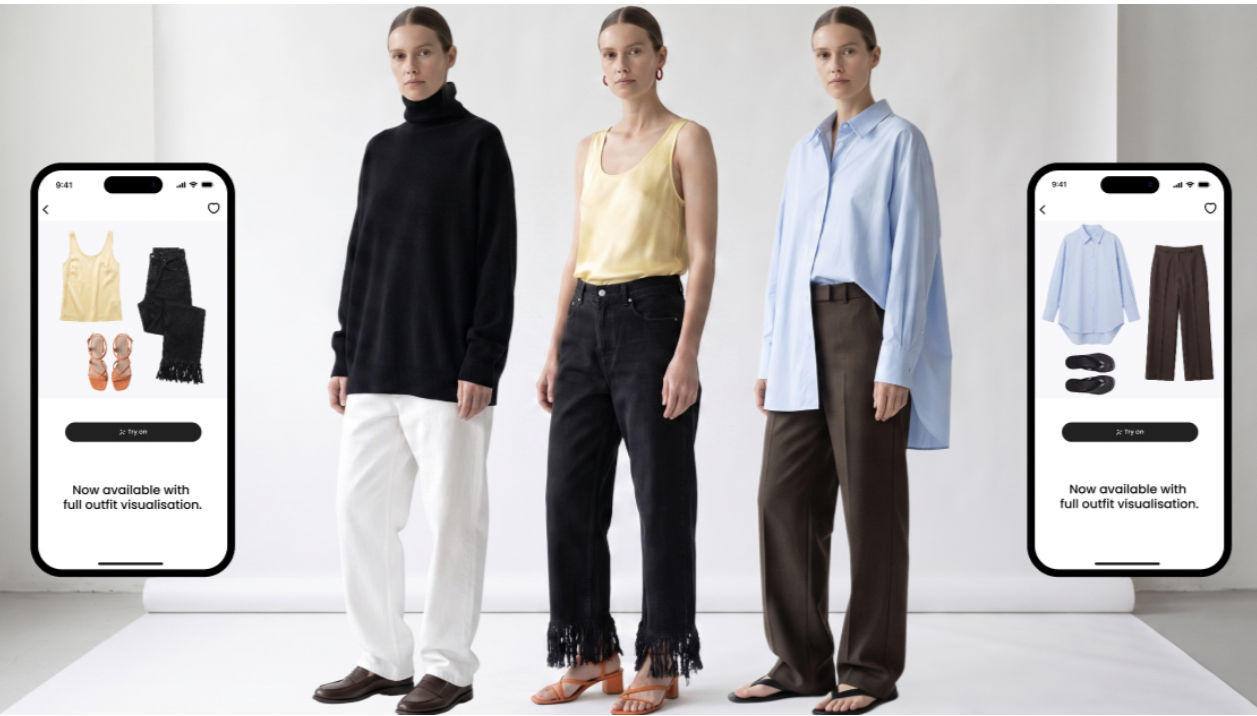
AIUTA Outfit Virtual Try-On is designed around that reality.
The goal is not simply to render garments on a body, but to help shoppers understand the look as a whole.
That is the difference between viewing products and experiencing style.
Commerce Is Finally Catching Up
People have always dressed in combinations, bought with occasions in mind and imagined the full look before committing to the first piece.
What is changing is that digital commerce is finally beginning to support that behaviour instead of fighting it.
This is not the rise of outfit shopping.
It is the end of pretending that fashion was ever about isolated products in the first place.
The brands that understand this shift will not just sell more items. They will build better fashion experiences by connecting inspiration, personalisation and visualisation in a way that feels much closer to how people actually shop — the kind of experience AIUTA is helping fashion retailers build.
Frequently Asked Questions
What is outfit-led commerce?
Outfit-led commerce is an approach to fashion e-commerce that focuses on complete looks and combinations of products rather than presenting individual products in isolation.
How is outfit-led commerce different from product-led commerce?
Product-led commerce typically starts with an individual SKU, while outfit-led commerce starts with the shopper's desired look, occasion, style or overall outfit and connects multiple products around it.
Why is outfit-led shopping becoming more important?
Consumers increasingly discover fashion through social media, creators and visual content where complete looks and styling ideas are presented together. This is changing how shoppers expect to discover and evaluate fashion online.
How can AI support outfit-led commerce?
AI can analyse products, styling relationships and shopper preferences to create or visualise complete outfits. Technologies such as AI-powered recommendations and Outfit Virtual Try-On can help shoppers understand how multiple pieces work together before purchasing.
What is Outfit Virtual Try-On?
Outfit Virtual Try-On allows shoppers to visualise multiple fashion products together on their own image, helping them understand the complete look rather than evaluating each item separately.
%20(2).jpg)