by Maisa Benatti, CEO, AIUTA
If virtual try-on is still on your “maybe next year” list, what evidence are you waiting for?
ASOS put its findings in their earnings report. Higher conversion, more revenue per customer, a directional reduction in returns. The strongest gains were among newer customers.
And they’re expanding the test. In October, ASOS extended testing with AIUTA across all UK Womenswear, covering approximately one-third of its catalogue.
I am proud of our partnership and of the ASOS team’s commitment to improving how people shop. For other retailers, this deserves more than a congratulatory comment. It deserves a decision about what you will test next.
You paid for the visit. Have you earned the purchase?
A new shopper does not have years of experience with your products. They are trying to judge a silhouette, picture an outfit and decide whether to take a chance on you.
Another ad cannot answer those questions once someone is on the product page.
That is what makes the newer-customer result so interesting. VTO lets shoppers see the product on themselves, bringing the decision closer to their own wardrobe and life. It can help them judge the look and styling. It is not a guarantee of physical fit.
Before spending more to bring people to your site, ask what you are doing to help them choose once they arrive.
A good-looking demo is not the finish line.
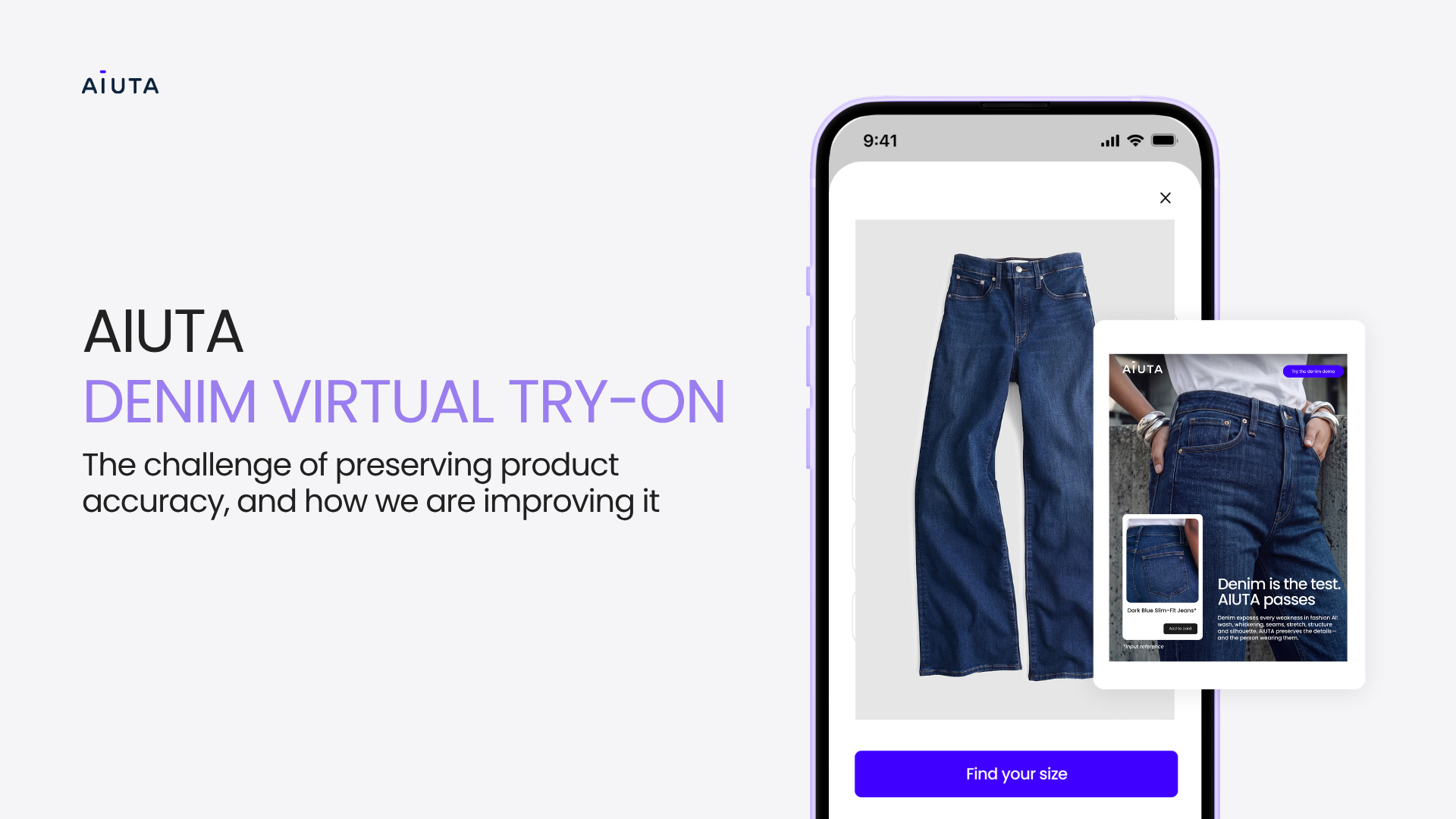
The image still has to represent the garment you sell. Change the silhouette, distort a logo or misrepresent a detail, and you risk replacing uncertainty with disappointment.
This is difficult work. Fashion expertise, technical development and human review have to be part of delivery. So do speed, consistency and a shopping flow that people can actually use. At AIUTA, those are the problems we work on with retailers.
A demo can show what is possible. A live test has to show whether it helps customers buy. And the ASOS live test results are clear.
Put your own collection to the test.
My challenge to retail leaders is simple: choose a category, assign an owner and set a date for a VTO test.
Define success before launch. Compare eligible shoppers who receive the experience with a suitable control group. Look at new and returning customers separately. Measure conversion and revenue, then give returns enough time to come through. Include delivery costs in the assessment.
Counting try-ons alone will not tell you whether the experience is earning its place.
ASOS has not published a VTO uplift percentage. Its findings cannot promise your results, but they do give you a concrete reason to find out what VTO could do for your own customers.
The next move is yours.
ASOS is expanding testing across approximately a third of its catalogue. If you are still debating whether to explore VTO, put a deadline on that debate.
Bring a category, bring the customer problem, and bring the commercial target. Let’s find out what happens when your shoppers can see themselves in your collection.
Want to explore a VTO test for your collection? Try the demo. Let’s talk.