Secondhand fashion is no longer a niche market. What once lived in the corners of vintage stores and resale forums has become one of the fastest-growing sectors in the global fashion industry. Platforms such as Vinted, Depop, The RealReal, and Vestiaire Collective have transformed resale from an alternative way of shopping into a mainstream retail experience.
According to ThredUp's 2026 Resale Report, the global secondhand apparel market is projected to reach $393 billion by 2030. The question is no longer whether secondhand fashion is growing, but why it feels increasingly permanent.
While sustainability remains important, consumers are increasingly motivated by individuality, self-expression, and the desire to discover pieces that feel unique. As the resale market matures, a new challenge is emerging: how can online secondhand shopping become more immersive, personalised, and inspiring?
This is where AI virtual try-on technology is beginning to reshape the future of resale fashion.
Why Secondhand Fashion Is Growing Faster Than Ever
The rise of secondhand fashion reflects several major changes in consumer behavior.
Shoppers are increasingly seeking:
- Unique pieces that stand out from mass-produced fashion
- More sustainable ways to consume clothing
- Access to luxury brands at lower prices
- Greater individuality and self-expression
- Digital-first shopping experiences
Unlike traditional retail, secondhand fashion offers something increasingly difficult to find in a world of fast-moving trends: originality. A vintage leather jacket, archival designer coat, or rare collectible piece often carries character, history, and authenticity that cannot be replicated through mass production.
For many consumers, secondhand shopping feels less like buying and more like discovering.
Why Consumers Are Choosing Unique Fashion Over Fast Fashion
Fast fashion created unprecedented speed, but it also created sameness. Today, trends spread globally within days through social media platforms. As a result, wardrobes across different cities often begin to look remarkably similar and consumers are starting to push back against this uniformity.
Secondhand fashion offers an alternative by allowing shoppers to build wardrobes that feel personal rather than predictable. Instead of following trends exactly as they appear, consumers can mix eras, styles, and influences to create something unique. This growing demand for personalization reflects a broader shift happening across fashion technology, where AI is increasingly helping brands create more individualized shopping experiences.
The appeal is no longer simply owning clothing, it is expressing identity through carefully curated pieces.
How Gen Z Made Secondhand Fashion Mainstream
No generation has contributed more to the rise of secondhand fashion than Gen Z.
On TikTok, Instagram, and Pinterest, fashion increasingly operates as remix culture. Different aesthetics coexist simultaneously, including:
- Y2K fashion
- 90s minimalism
- Grunge
- Vintage sportswear
- Tailoring
- Archival luxury
Fashion no longer moves in a straight line from one trend to the next. Instead, consumers blend influences from different decades and communities to create their own visual identity.
Secondhand fashion fits naturally into this behavior because it provides access to authentic pieces rather than modern reproductions.
For Gen Z, fashion is increasingly about creativity, authorship, and personal storytelling.
How Secondhand Fashion Is Redefining Luxury
One of the most significant shifts happening in fashion today is the changing definition of luxury. Historically, luxury was closely tied to newness, and owning the latest collection was often considered the ultimate status symbol, that mindset is evolving.
Today, rarity, authenticity, and cultural relevance are becoming equally important markers of value, and a rare vintage designer jacket or archival runway piece can often generate more interest than a newly released collection.
Luxury resale platforms have helped accelerate this shift, but the trend extends beyond the platforms themselves. In many fashion communities, finding a unique piece from a previous era has become a stronger expression of taste than purchasing the latest seasonal drop.
Secondhand fashion is no longer competing with luxury. In many ways, it is helping redefine what luxury means.
The Biggest Challenge in Online Resale Shopping
Despite its rapid growth, secondhand fashion still faces one major limitation. The challenge is not inventory, the challenge is experience. Most resale platforms still function primarily as marketplaces filled with listings, filters, and product images.
Shoppers often encounter:
- Endless scrolling
- Limited styling inspiration
- Inconsistent sizing information
- Minimal context around fit
- Little emotional engagement
The products exist, but the imagination surrounding them often does not.
Unlike luxury retail experiences that invest heavily in storytelling and presentation, many resale platforms struggle to help shoppers visualize how a piece might fit into their lives.
As the market grows, this experience gap is becoming increasingly noticeable.
How AI Virtual Try-On Improves the Secondhand Fashion Experience
The next stage of secondhand fashion growth will not be defined by access alone, it will be defined by experience.
This is where AI virtual try-on technology becomes increasingly valuable.
Reducing Fit Uncertainty
One of the biggest barriers to purchasing secondhand clothing online is uncertainty.
Shoppers often ask themselves:
- Will this fit me?
- Will it suit my body type?
- Does it match my personal style?
- Can I wear it with items I already own?
Unlike traditional retail, many secondhand items are one-of-one. If a purchase does not work out, there may be no identical replacement available. AI virtual try-on helps reduce this uncertainty by allowing shoppers to visualize garments on themselves before making a purchase decision.
As more retailers adopt virtual try-on solutions, improving shopper confidence has become one of the most important factors driving adoption.
The result is a more confident and informed shopping experience.
Bringing Fashion Discovery to Life
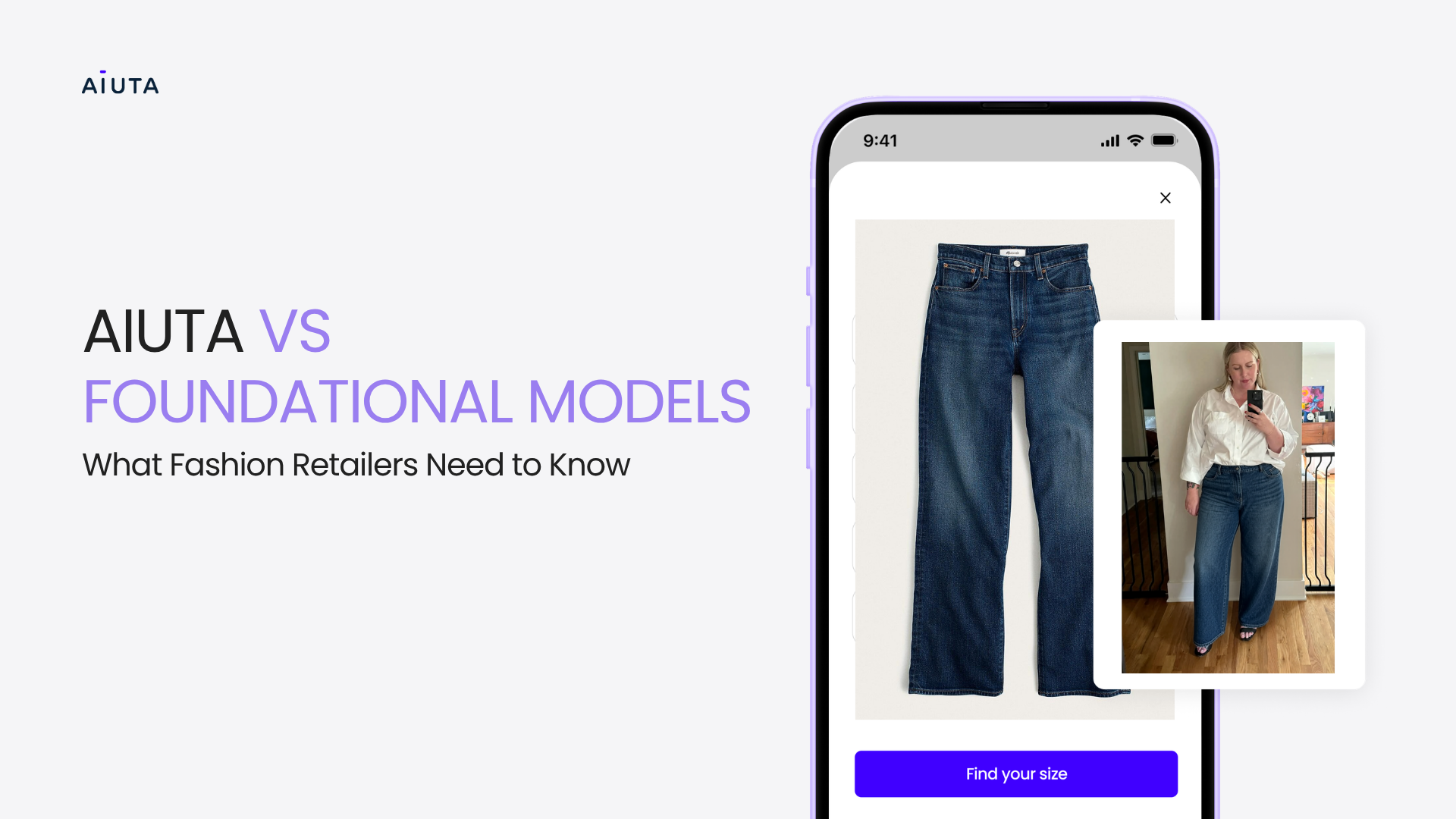
Virtual try-on technology does more than improve confidence, it restores imagination. When shoppers can see a secondhand item on their own body, the relationship with the product changes immediately. The garment stops feeling like another listing and starts feeling personal.
This emotional connection is particularly important in resale fashion because purchases are often driven by discovery, individuality, and excitement rather than necessity alone.
Making Online Resale More Personal
One of the most powerful aspects of AI in fashion is personalization. Instead of browsing thousands of listings without context, shoppers can begin to understand how specific pieces align with their preferences, body shape, and wardrobe.
Combined with AI-powered styling recommendations, virtual try-on technology can help consumers create complete looks rather than simply purchase individual items.
This is where conversational AI and personalized fashion assistants are becoming increasingly valuable.
https://www.aiuta.com/blog/key-strengths-of-fashiongpt-tm
This transforms secondhand shopping from passive browsing into active self-expression.
The Future of AI in Secondhand Fashion
The growth of secondhand fashion is being fueled by multiple forces at once:
- Changing definitions of luxury
- Sustainable consumption habits
- Digital-first shopping behaviors
- Gen Z's influence on fashion culture
- A growing desire for individuality
As resale continues to expand, consumers will increasingly expect more personalized and immersive experiences.The next generation of resale platforms will not compete solely on inventory.They will compete on how effectively they help consumers discover, visualize, and connect with products.
AI virtual try-on technology has the potential to become a critical part of that evolution by making secondhand fashion easier to imagine before it becomes part of a shopper's wardrobe.
Brands exploring AI-powered customer experiences can learn more about AIUTA's virtual try-on technology and fashion AI solutions: https://www.aiuta.com/shopper-experience
Conclusion
Secondhand fashion is no longer operating outside the fashion industry, it is becoming one of the industry's defining growth categories. As consumers continue seeking authenticity, individuality, and more meaningful shopping experiences, the role of AI will continue to grow. The future of secondhand fashion will not be defined only by what people buy pre-loved, it will be defined by how confidently they can see themselves wearing it before making a purchase.
At AIUTA, we believe AI virtual try-on technology can help bridge the gap between discovery and confidence, creating a more engaging future for secondhand fashion.
To learn more about how AI-powered visualization is transforming online fashion retail, explore AIUTA's virtual try-on platform or request a personalized demo:
https://info.aiuta.com/en-us/contact-us
Frequently Asked Questions
What is AI virtual try-on for secondhand fashion?
AI virtual try-on technology allows shoppers to visualize how secondhand clothing may look on their body before purchasing, helping improve confidence and decision-making.
Why is virtual try-on important for resale fashion?
Secondhand inventory is often unique and difficult to replace. Virtual try-on helps shoppers better understand fit, style, and appearance before committing to a purchase.
Can AI reduce returns in secondhand fashion?
AI virtual try-on can help shoppers make more informed decisions by improving confidence and reducing uncertainty around fit and styling.
How does AI improve the online resale shopping experience?
AI enhances personalization, styling recommendations, product discovery, and virtual try-on experiences, helping shoppers connect more easily with secondhand fashion.